


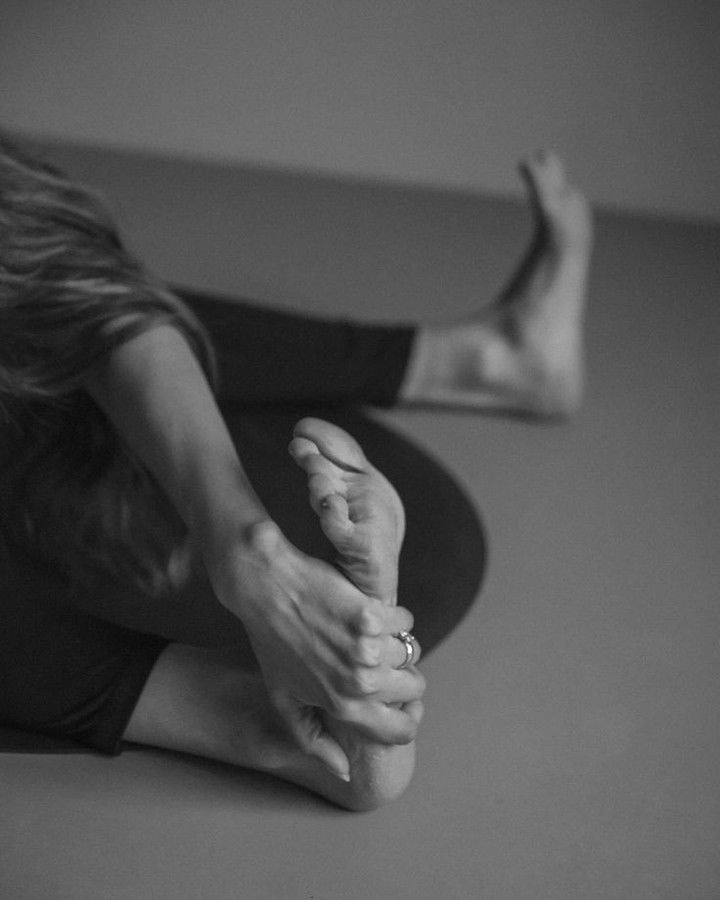
Hatha Yoga — Steady Foundations and the Stillness Within
~ The word Hatha comes from the Indian Sanskrit words 'Ha' meaning sun and 'Tha' meaning moon. It represents the balance of opposing forces. The same principle as Yin & Yang. The main difference between the two ancient Eastern practices, is Yin Yang came from Chinese Daoism and Ha and Tha came from Indian Yogic philosophy. Both, aligning to the universal laws of nature, the cosmos and microcosm and macrocosm energy, or Life and the world we live in, from the smallest of particles to the ever expanding universe.
~ Yoga provides a path to an awareness of all the above. Whether the practice is Hatha, Yin or Yang, the asanas (postures), meditation and awareness of our own behaviours, help us to understand our mental and emotional states, our subtle energies and physical selves.
~ The Indian Yogic sage Patanjali, defined yoga in his Yoga Sutras with one of the most celebrated lines in all of yogic philosophy: Yogas Citta Vritti Nirodhah. Yoga is the stilling of the fluctuations of the mind. This single sutra reminds us that the physical practice is not the destination, it is the means by which we arrive at stillness.
~ The mind, left to its own devices, moves constantly, turning over thoughts, worries, plans and memories. Hatha Yoga gives the mind something steady to rest upon: the breath, the body, the present moment. In this way, the postures become not just physical exercise, but a moving meditation.
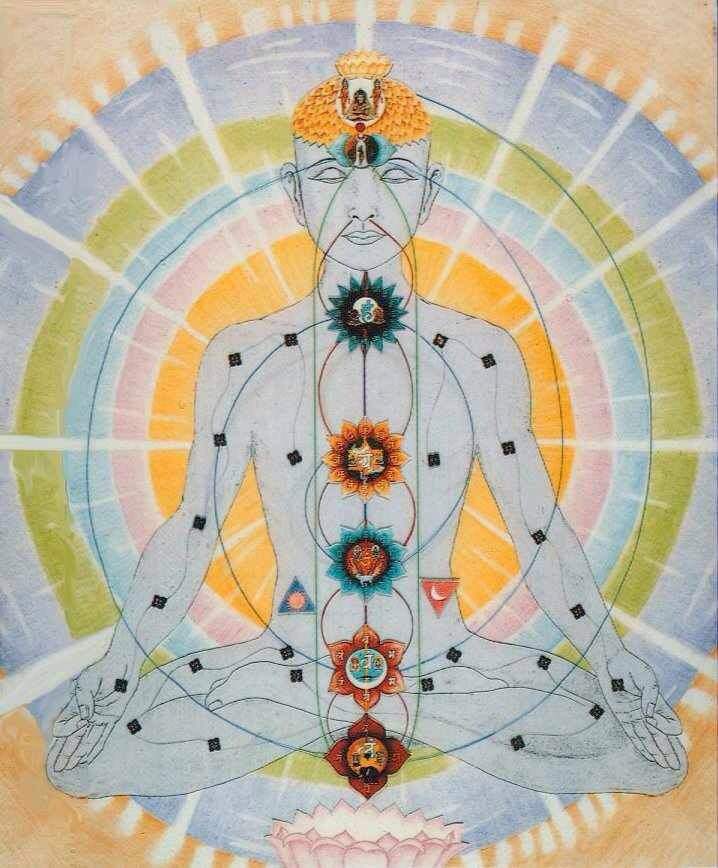


~ Hatha Yoga stimulates the Nadis, the subtle energy channels of the body. There are said to be 72,000 Nadis running throughout the body, with three principal channels: Ida, Pingala and Sushumna, which run along the spine. This deep understanding of how life energy moves through the body is also present in the Chinese Daoism of Channel theory, Meridians and Traditional Chinese Medicine.
~ When the Nadis or Channels are blocked or restricted, Prana cannot flow freely. Physical tension, shallow breathing, poor posture and stress are among the most common causes of restriction.
~ Hatha Yoga uses the breath as a bridge between the body and the mind. Conscious breathing directly influences the autonomic nervous system, shifting the body from a stressed, reactive state towards calm, clarity and presence.
~ Hatha postures are held for shorter periods than in Yin, typically 5-10 long breaths, nurturing awareness of current mental and emotional states on an energetic level.
~ A Hatha practice invites awareness, for example, by holding postures, we tune into noticing where the body holds tension, where the breath becomes shallow, and where the mind resists stillness.
~ The balance between effort and ease, known in Sanskrit as Sthira and Sukha, is central to Hatha Yoga. We find just enough engagement without gripping, and just enough softness without collapsing.
~ Hatha Yoga is accessible to all levels. Whether you are a complete beginner or an experienced practitioner, a Hatha practice meets you where you are and gently invites you further.
~ I encourage the use of props throughout, including blocks, straps, bolsters and blankets. Hatha Yoga is not about making a perfect shape. It is about finding your own relationship with each posture, breath by breath.
~ A regular yoga practice builds not just physical strength and flexibility, but mental resilience, emotional steadiness and a deeper sense of self. Control over the senses, and the continuous chatter of the mind. This is the true gift of the yoga practice.